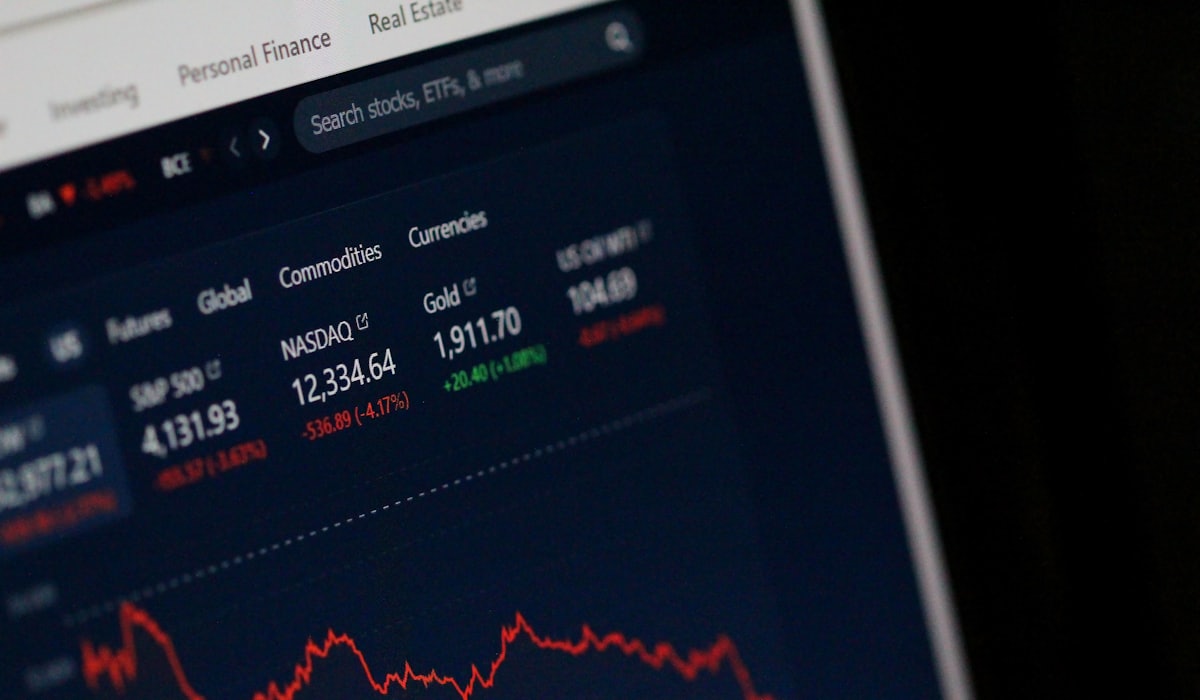
A watchlist is a tool for reducing impulsive decisions. In volatile markets, a trader needs to know which assets are worth watching, which levels matter, and what conditions make a trade idea invalid.
The goal of a watchlist isn't to find more ideas
A watchlist that's too long often leads to poor execution. The goal of a watchlist is to narrow attention to setups with a clear catalyst, sufficient liquidity, and a sensible risk-reward ratio.
In high volatility, choose quality over quantity. It's better to hold five setups you understand than thirty tickers with no plan.
The Kerly filters for selecting assets
- Catalyst: macro data, earnings, central-bank decisions, ETF flows, or sector news.
- Liquidity: spread and volume must be enough to enter and exit without large slippage.
- Technical levels: support, resistance, trendlines, and important volume areas.
- Relative strength: assets that hold up while the market falls are worth watching.
- Invalidation: the condition that proves the trade idea wrong must be clear.
Risk management in high volatility
High volatility magnifies both opportunity and mistakes. Use smaller position sizes, realistic stops, and avoid chasing price after a large candle. If the spread widens or liquidity thins, even a good opportunity can become expensive.
Split the watchlist into three groups: core setups, event-driven setups, and an avoid list. The avoid list is just as important because it helps a trader stay out of assets that are too wild or lack sufficient liquidity.
A simple watchlist template
- Ticker or asset.
- The main catalyst this week.
- Entry area, invalidation, and scenario target.
- The macro risk that could cancel the setup.
- Maximum position size.
Primary sources to check
Before acting on a catalyst, verify it with the original release or filing and then assess whether price, liquidity, and risk conditions agree. A watchlist records that evidence; it does not turn an unverified headline into a trading recommendation.
- SEC EDGAR for company filings, earnings releases, and material disclosures.
- Federal Reserve FOMC Calendar for scheduled monetary-policy events.
- CFTC Commitments of Traders for futures-positioning context.
FAQ
How many tickers is ideal in a watchlist?
For volatile markets, 5-12 tickers is usually more effective than a long list. The ideal number depends on your trading style and the time available to monitor the market.
Does a watchlist need to change every day?
Levels and priorities can change daily, but the core thesis should only change if data, price, or a catalyst genuinely invalidates it.
This article is for trading-process education, not a recommendation to transact in any specific asset.